Fireplace Inspections in Newcastle: What Every Homeowner Needs to Know
Regular safety inspections are one of the most important steps a homeowner can take before the colder months arrive, yet many Newcastle households overlook them entirely. Whether your home features a classic wood-burning hearth or a modern gas unit, knowing what an inspection involves helps you protect your family and property. This guide covers what inspectors check, how often inspections are recommended, and why acting before winter matters most in NSW.
Why Fireplace Safety Inspections Matter in Newcastle
Newcastle has a high concentration of older homes, particularly across suburbs like Hamilton, Islington, Adamstown, and Cooks Hill, where Federation-style and Edwardian properties often feature original masonry hearths and chimneys. These heritage structures can deteriorate quietly over decades. Mortar crumbles, flue linings crack, and soot builds up without any visible sign from inside the living room.
Gas units carry a different but equally serious risk. Carbon monoxide (CO) is a colourless, odourless gas that accumulates when an appliance is poorly vented or damaged. Symptoms of CO exposure can easily be mistaken for a cold or flu, making a professional inspection the only reliable safeguard.
A professional inspection also matters for home insurance. Some insurers may require evidence that a hearth meets current safety standards, particularly following renovations or a change in fuel type.
How Often Should You Have Your Fireplace Inspected?
An annual inspection is the widely recommended standard for most hearth types in Australia. For gas appliances specifically, a service every one to two years by a licensed technician is commonly advised.
Timing matters. Booking before winter, typically before June in the Hunter Region, means any problems can be addressed before you need the warmth. Waiting until July, when demand for tradespeople peaks, often means longer wait times and the risk of using an unchecked system.
If you have recently moved into a property, converted a wood hearth to gas, or left a system unused for more than a season, an inspection is especially advisable before lighting up.
What Does a Fireplace Inspection Cover?
Flue and Chimney Condition
The flue is checked for blockages, cracks, and creosote or soot build-up. In wood-burning systems, creosote is a highly flammable residue that accumulates with each fire. A blocked or damaged flue can prevent smoke and gases from venting correctly, causing them to re-enter the home.
Firebox and Structural Integrity
The firebox, hearth, and surrounding masonry are inspected for cracks and damage that could compromise safety. In Newcastle's older homes, original brickwork and mortar may have seen generations of use.
Seals and Door Mechanisms
Door seals, damper operation, and glass panels are checked for wear or failure. A damaged seal can allow excess air into the firebox, reducing efficiency and increasing the risk of heat damage to surrounding materials.
Carbon Monoxide and Ventilation
For gas units, the inspector will assess the venting system to confirm combustion gases are expelled outside the home. Clearances between the appliance and nearby combustible materials are also checked against installation standards.
What to Expect During an Inspection
- The technician assesses the exterior chimney or flue outlet for visible damage, blockages, or weather-related deterioration.
- The interior firebox, hearth, and damper are examined and any build-up noted.
- The flue lining is inspected, sometimes using a camera, to identify internal cracks, corrosion, or obstructions.
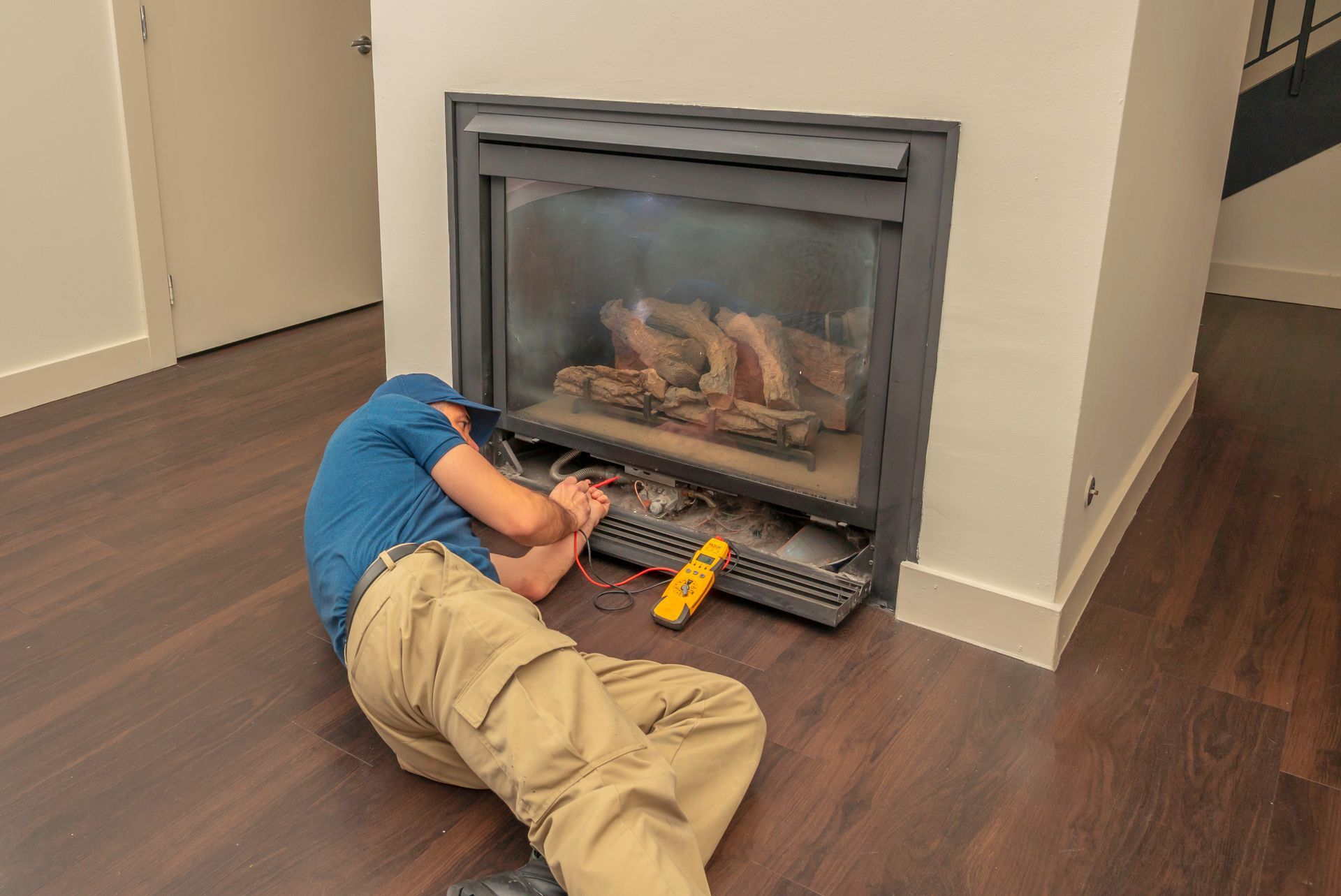
- For gas systems, connections, pilot lights, and venting components are tested for correct operation.
- Draft and ventilation are assessed to confirm gases are venting safely away from living areas.
- A written report is provided noting any issues found, along with recommended maintenance or repairs.
What Are the Signs That a Hearth Needs an Inspection?
Signs include unusual smells, soot around the firebox, difficulty lighting, smoke entering the room, or unfamiliar sounds from the flue.
Can I Inspect My Own Fireplace?
A basic visual check is possible, but flue assessment, gas testing, and CO detection require specialist equipment and qualifications a DIY check cannot replicate.
Does a New Fireplace Still Need an Inspection?
Yes. New installations and recently converted hearths benefit from a check after the first season to confirm everything meets current standards.
Are There Specific Newcastle Council Requirements for Fireplaces?
Council approval may be required for new installations. Heritage properties face additional requirements. A qualified local specialist can advise on your property's obligations.
Ready to Book a Fireplace Inspection?
Your hearth should bring warmth and comfort through winter, not uncertainty. If it has been more than a year since your system was last checked, now is the right time to act. Booking before June means any issues can be resolved while trades are available.
Jetmaster Newcastle offers expert guidance on gas and wood fireplace installation and maintenance across Newcastle and the Hunter Region. Visit the fireplace products and services page or get in touch with the team directly. You can also call 02 4952 9299 to speak with a specialist today.